Essential Camera Settings Every Beginner Photographer Must Know
Recent Trends in Beginner Photography
Mirrorless cameras and smartphone computational photography have reshaped entry-level gear in recent years. However, the fundamental settings that control exposure—aperture, shutter speed, and ISO—remain the core learning curve for new photographers. Online tutorials and community forums show a spike in searches for "manual mode basics" as beginners move beyond auto settings. Camera manufacturers now include guided UI modes that teach these controls step by step, yet many users still feel overwhelmed by the number of dials and menus.
Background: The Exposure Triangle Explained
Three settings work together to create a properly exposed image:
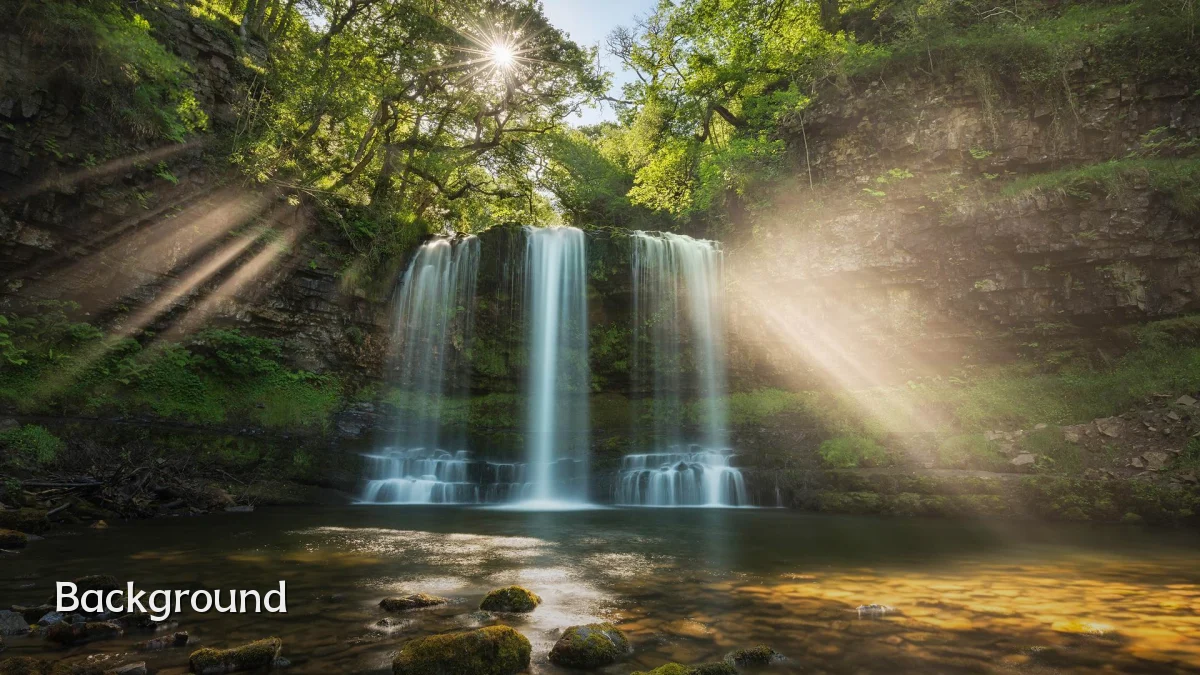
- Aperture (f-stop): Controls depth of field. A low f-number (e.g., f/2.8) gives a blurry background; a high number (e.g., f/16) keeps more in focus.
- Shutter Speed: Determines motion blur. Speeds of 1/250 sec or faster freeze action; slower speeds (1/30 sec) risk camera shake without stabilization.
- ISO: Sensitivity to light. Low ISO (100–400) yields clean images; high ISO (3200+) introduces noise. Modern cameras handle moderate ISO well.
Beginners often start in semi-automatic modes (aperture priority or shutter priority) before tackling full manual. Most latest cameras offer real-time exposure preview and histogram overlays, which help bridge the knowledge gap.
User Concerns: Common Pain Points
- Over-reliance on Auto: Many novices stick with auto mode because manual seems intimidating. Result: inconsistent results in tricky light.
- Blurry photos: Incorrect shutter speed or missed focus accounts for most beginner frustration.
- Noise at high ISO: Shooting indoors without flash often forces high ISO, leading to grainy pictures that users blame on the camera.
- White balance errors: Auto white balance can be fooled by mixed lighting (e.g., indoors under tungsten bulbs). Correcting it later in editing is possible but tedious.
Likely Impact on Skill Development
Understanding these three settings directly affects how quickly a beginner can achieve consistent results. Those who invest time in practicing manual mode—even just one setting per session—tend to develop a stronger eye for composition and light. Camera makers are embedding assisted manual modes (e.g., Sony’s “S&Q” or Canon’s “Creative Auto”) that gradually expose users to the exposure triangle. As mirrorless systems become more affordable, more beginners will have real-time feedback through electronic viewfinders, reducing the trial-and-error learning curve.
On social platforms, content creators now emphasize “know your gear” advice over gear upgrades. This shift suggests that camera setting literacy is becoming a baseline expectation rather than an advanced skill.
What to Watch Next
- Better in-camera guidance: Expect more cameras to ship with interactive tutorials or augmented-reality overlays that highlight which setting to change for a given scene.
- AI-assisted mode selection: Some new models already recommend settings based on subject detection (e.g., portrait, sports, night). The accuracy of these suggestions will improve, but reliance on them may delay manual learning.
- Smartphone cross-pollination: Pro-level camera apps on phones let users manually control aperture (via software simulation), shutter speed, and ISO. This trend may create a generation of users comfortable with the triangle before they pick up a dedicated camera.
- Community-driven challenges: Photography challenges that focus on using only one setting (e.g., “a week of fixed aperture”) are gaining traction online, providing a structured way for beginners to internalize each variable.
Ultimately, the essentials remain unchanged, but the tools for learning them are becoming more accessible. The best approach for a beginner is deliberate practice: take the camera off auto, tackle one setting at a time, and review results critically. That process builds confidence faster than any gear purchase.