Hidden Gems for Landscape Photography in Your City

Recent Trends
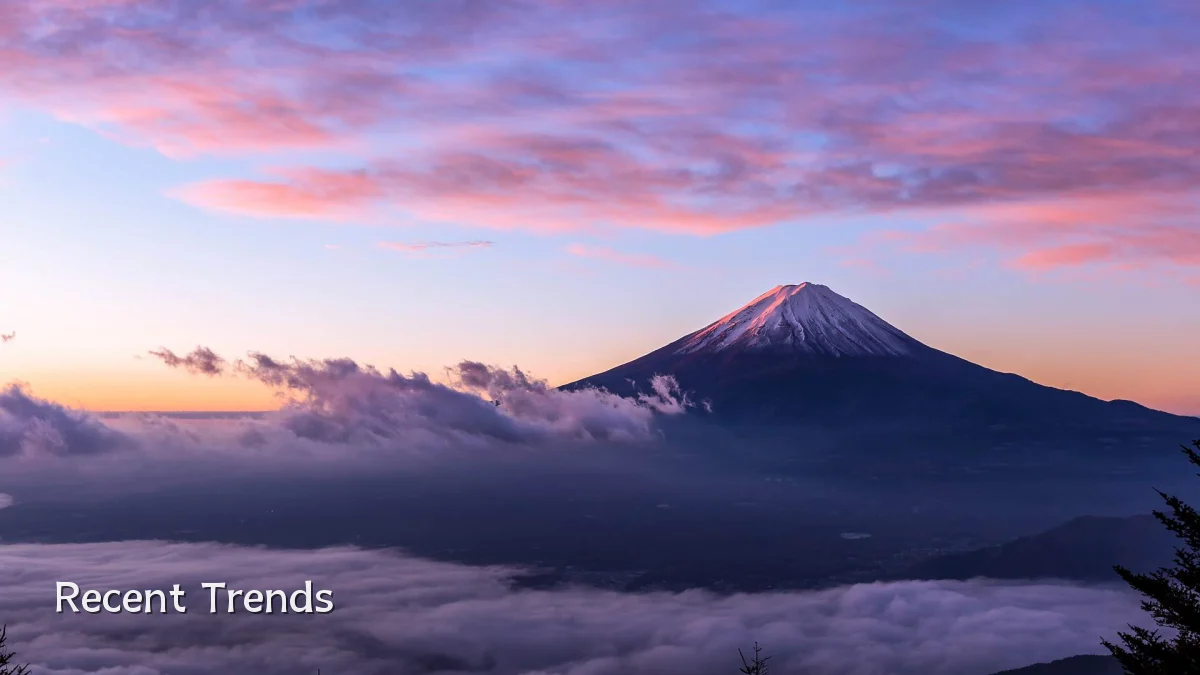
In recent seasons, more photographers have turned their lenses away from iconic national parks and toward overlooked urban pockets. Social media feeds now feature alleyways, rooftop gardens, underpass reflections, and forgotten industrial corners — often producing images that feel both intimate and surprising. This shift has been driven by a desire for original compositions without long travel, as well as a growing appreciation for the interplay between natural light and built environments.
- Rise of “hyperlocal” photo series that document a single neighborhood over months.
- Mobile photography and editing apps making it easier to scout and share hidden spots.
- Influencer-led challenges that encourage followers to find their own city’s secret frames.
Background
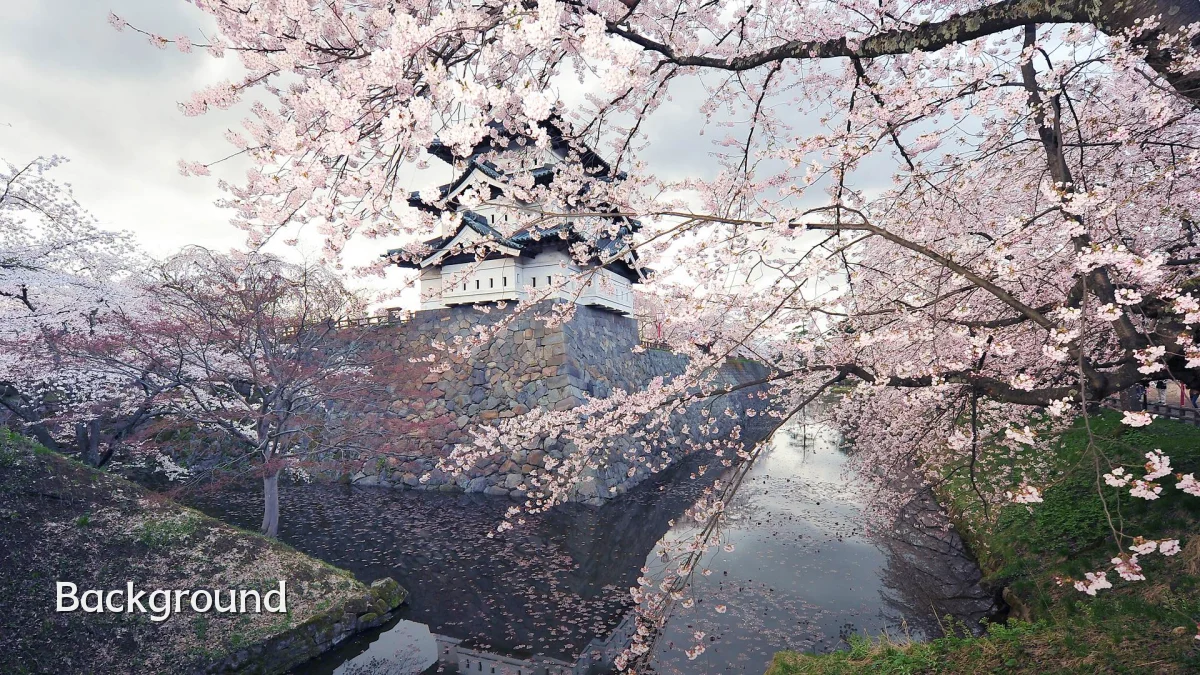
Landscape photography has long been associated with remote wilderness, but cities contain their own natural drama — dawn light bouncing off glass facades, fog threading through park trees, reflections in rain‑filled potholes. Municipal parks, greenways, riverbanks, and even abandoned lots can yield compelling vistas when approached with patience and a creative eye. Many local governments now map these areas for tourism, though the truly hidden gems often remain unmarked.
User Concerns
Photographers hunting for hidden gems face practical and creative hurdles. Below are common points to consider before heading out:
- Access and legality: Some alleys or rooftops are private property; check signage and local ordinances. A simple “no trespassing” sign can ruin a shoot and risk fines.
- Safety and timing: Less‑visited areas may be poorly lit or isolated. Prefer daylight hours, bring a companion, and tell someone your route.
- Crowds and preservation: Once a spot gains popularity, it may attract litter or foot traffic that damages fragile ecosystems (e.g., mossy walls, dune areas). Follow leave‑no‑trace principles.
- Light conditions: Urban canyons may block sunrise or sunset; consult a sun calculator app to find when light actually hits your chosen spot.
Likely Impact
As more people seek these hidden landscapes, several outcomes are plausible. Local businesses — cafés, print shops, tour guides — may see a modest boost from visiting photographers. On the other hand, delicate urban natural features (e.g., a community garden’s old brick wall) could suffer from overexposure. City planners and community boards may begin designating “photo‑friendly” zones and regulating access during peak times.
Neighborhood identity can also shift: a once‑anonymous parking lot corner might become a recognized local landmark, reinforcing pride and prompting more public art or greenery. The net effect depends largely on how photographers and city officials collaborate to balance discovery with preservation.
What to Watch Next
Several developments are worth monitoring for anyone interested in urban landscape photography:
- Community‑sourced maps: Expect more online databases where locals pin coordinates and tips — moderated to prevent over‑exposure of fragile spots.
- City photography trails: Some municipalities may create self‑guided routes that highlight lesser‑known vantage points, complete with historical notes.
- Private‑property partnerships: Building owners might allow limited rooftop or courtyard access during specific hours, much like garden tours.
- Seasonal considerations: Watch for changes in foliage, construction, or artwork installations that temporarily transform a spot’s potential.
In the end, the best hidden gem may be the one you find by walking a block farther than usual — and that kind of discovery never goes out of style.