Mastering Exposure: Pro Techniques for Perfectly Balanced Photos in Any Light
Recent Trends in Exposure Control
In professional photography, exposure management has moved beyond the classic exposure triangle. Recent shifts include wider adoption of hybrid metering systems that blend evaluative and spot metering in real time, as well as increased reliance on histogram-based adjustments during capture. Mirrorless cameras now offer real-time exposure previews that eliminate the need for chimping, allowing pros to fine-tune highlights and shadows on location.
Key developments shaping current practice:
- On-sensor phase-detection auto-exposure that tracks subjects across dynamic lighting changes
- Built-in focus stacking combined with exposure bracketing for landscape and macro work
- Wider dynamic range sensors (14–15 stops) reducing the need for physical filters in many scenarios
- AI-assisted exposure algorithms that prioritize skin tones in backlit portraits
Background: The Enduring Challenge of Balanced Exposure
Balancing exposure across diverse lighting conditions has been a core professional concern since the film era. While digital tools offer greater flexibility, the core problem remains: capturing detail in both shadows and highlights without introducing noise or clipping. The transition to mirrorless systems has lowered the barrier, but professionals still need a structured approach to evaluate scene contrast, choose the right metering mode, and decide when to expose for the subject versus the ambient light.
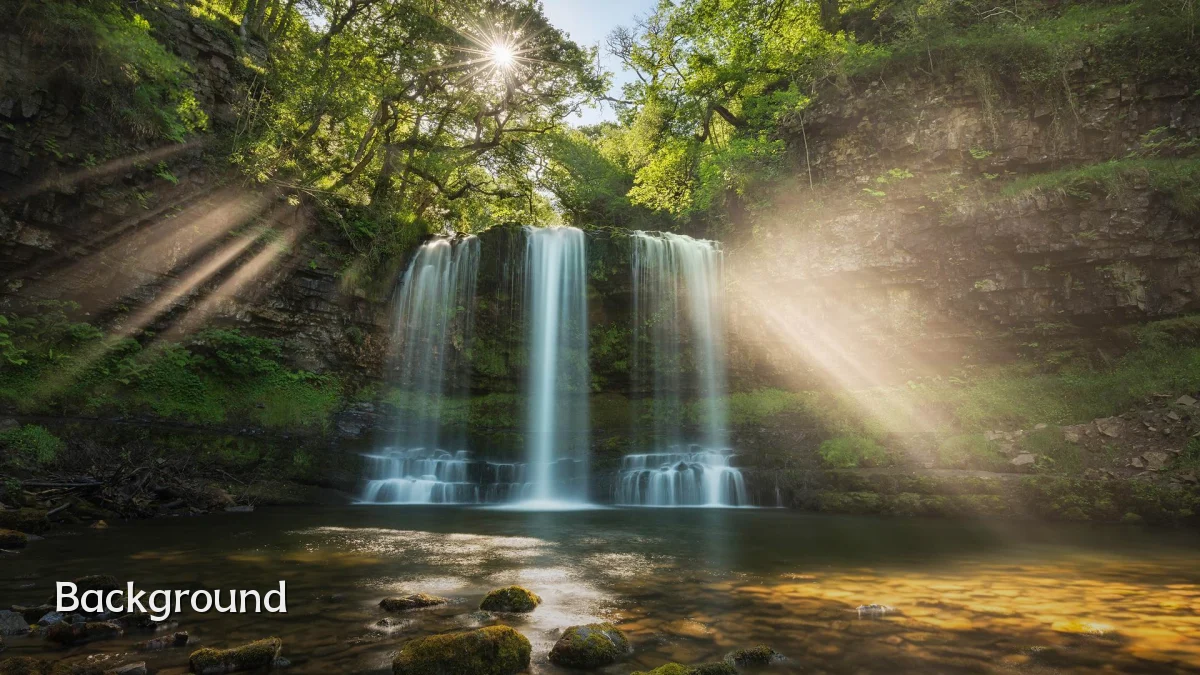
Traditional techniques such as the Ansel Adams zone system have been adapted for digital, with many pros employing a “expose to the right” (ETTR) strategy to maximize signal-to-noise ratio without blowing highlights. Understanding the limits of a given sensor’s dynamic range remains essential.
User Concerns and Practical Considerations
Professionals frequently face trade-offs between speed and precision. Below are common scenarios and decision criteria:
- Backlit portraits: Use spot metering on the subject’s face, then apply +1 to +1.5 exposure compensation depending on background brightness. Avoid flipping to silhouette unless intentional.
- Night or low-light events: Manual exposure with ISO set to a practical range (1600–6400) based on acceptable noise level for final output. Use a shutter speed no slower than 1/125 for moving subjects, or 1/60 for static scenes with stabilization.
- High-contrast landscapes: Evaluate if the scene exceeds the sensor’s dynamic range. If yes, consider bracketing three to five frames at 1–2 stops apart, then merge in post. Otherwise, expose for the highlights and recover shadows in raw processing.
- Mixed artificial/ambient light: Switch to neutral density filters or adjust white balance per light source. Use a handheld meter if needed for precise flash-to-ambient ratios.
A common mistake is over-relying on automatic exposure lock (AEL) without checking the histogram for clipping. Professionals should habitually preview the highlight alert and shadow clipping display after each critical shot.
Likely Impact on Professional Workflow
As camera sensors continue improving dynamic range and manufacturers refine AI metering, the time spent on exposure correction in post-production will decline. This shift allows photographers to concentrate on composition and storytelling rather than technical recovery. However, tools that rely on automated exposure decisions may reduce consistency across a series of shots, especially in unpredictable lighting. Pros who master manual and semi-manual modes will retain an advantage in scenarios where AI fails, such as fast-moving subjects against highly variable backgrounds.
Another likely impact is the increased viability of shooting in raw and applying per-scene exposure adjustments via reference images. This approach, combined with advanced noise reduction, can yield usable files even when the initial exposure is off by a stop or two.
What to Watch Next
- Advances in real-time scene analysis that automatically suggests exposure strategies based on subject type and ambient conditions
- Deeper integration of computational photography (e.g., multi-frame HDR with motion correction) into professional-grade cameras
- Guidance from manufacturers on how to disable or override AI exposure for consistent creative control
- Educational resources that bridge the gap between exposure theory and the practical use of new camera features
Professionals should continue building a reliable mental model of exposure while staying open to new metering and processing tools. The goal remains unchanged: produce a balanced, intentional image, regardless of the light available.